ایران مارکت

Snow-White Texapon - Sodium lauryl sulfate (SLS)

Snow-White Texapon - Sodium lauryl sulfate (SLS)

Sodium dodecyl sulfate or sodium lauryl sulfate, sometimes written as sodium lauryl sulfate, is a synthetic organic compound with the formula CH₃(CH2) ₁₁SO₄Na. It is also known as or Snow-White Texapon.

This anionic surfactant is used in many cleaning and hygiene products. This molecule is an organosulfur and a salt.

Sodium laureth sulfate, an accepted contraction of sodium lauryl ether sulfate, is an anionic detergent and surfactant found in many personal care products. SLES is a cheap and very effective foaming agent.

This composition is in solid form and has a relatively high melting point, which is used to create the desired state of an intermediate paste composition. It is easily consumed in cold processes and creates a shell-like state. Snow -White Texapon is a mixture of Texapon and EGMS/EGDS. In fact, it is the main agent of shelling. This Texapon is responsible for spreading and unfirming the oyster particles. The shape and size of oyster particles have an effect on their stability.
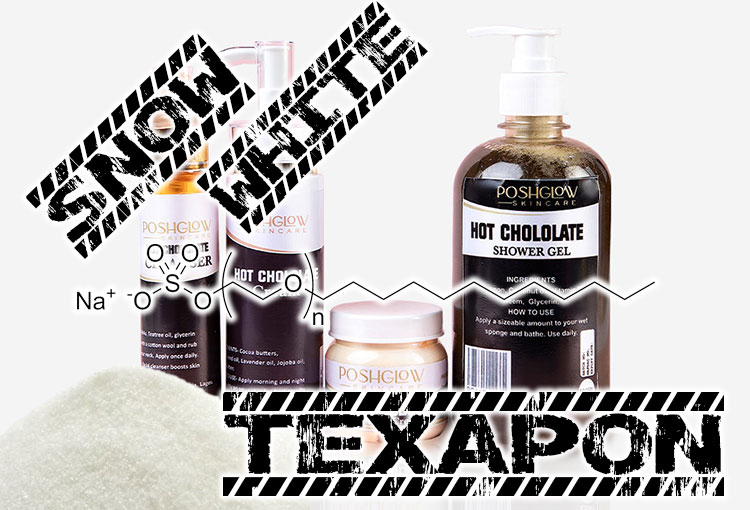
Snow-White Texapon – Sodium lauryl sulfate (SLS)


Technical specification table Snow-White Texapon

name of the material Snow-White Texapon
The chemical formula NaC12H25SO4
Molecular weight 288.372 g/mol
IUPAC identifier Sodium lauryl sulfate
Density 1.01 g/cm2
other anions Sodium laurate sulfate, sodium myrate sulfate


Application of sodium dodecyl sulfate in Snow-White Texapon

  • Sodium dodecyl sulfate, molecular biology grade (SDS), is a detergent known to denature proteins.
  • This material is used in non-induction polyacrylamide gel electrophoresis to determine protein molecular weight.
  • It appears as a food additive or its synonym sodium lauryl sulfate (SLS), this compound is a safe substance known for food use. It is used as an emulsifier.
  • In the production of detergent liquids that have a special shine in their shape, such as liquid soap, shampoos, laundry detergents, dishwashing detergents, and toothpaste.


Click on the link below to read more:

Snow-White Texapon - Sodium lauryl sulfate (SLS)
 

+ نوشته شده در  سه شنبه 8 فروردين 1402ساعت 2:21  توسط  ایران مارکت  بازدید <-PostHit-> برچسب ها:

Paraffin Wax

Paraffin Wax

Paraffin Wax (Petroleum Wax) is a soft colorless solid substance derived from petroleum, coal or shale oil, which consists of a mixture of hydrocarbon molecules between twenty and forty carbon atoms.

Paraffin Wax


What is solid paraffin?

In fact, paraffin found in solid form is called paraffin wax, petroleum wax or solid paraffin. This substance is a white or colorless soft wax, which is extracted from oil, coal or oil rocks and is composed of saturated hydrocarbon molecules between twenty and forty carbon atoms.

It is solid at room temperature and starts to melt above 37°C (99°F). Its boiling point is above 370 °C (698 °F). Solid paraffin is colorless, tasteless and odorless. Paraffin has a low melting point. The color of paraffin wax varies depending on the amount of oil and its transparency. Paraffin wax was first produced by Karl Reichenbach in Germany in 1830.

This material is also called paraffin candle. Paraffin candles are odorless, white, and bluish. Paraffin wax is mostly in the form of a white, odorless, and tasteless waxy solid substance that has a normal melting point between 46 and 68 degrees Celsius and a density of about 900 kg/m3. The freezing point of solid paraffin is in the temperature range between 50 and 55 degrees Celsius. In fact, for this reason, most of this substance exists in solid form. Solid paraffin does not dissolve in water. But it is soluble in ether, benzene, and certain esters. Solid paraffin is not affected by most common chemicals but bus easily. Its heat of combustion is 42 MJ/kg. Solid paraffin often contains 3 to 5% oil, which is usually milky white in color and has a gel state.


What is paraffin wax?

Solid paraffin that has high quality and low oil percentage and is white in color and odorless and tasteless is called paraffin wax.


Click on the link below to read more:

Paraffin Wax


+ نوشته شده در  سه شنبه 8 فروردين 1402ساعت 2:20  توسط  ایران مارکت  بازدید <-PostHit-> برچسب ها:

2-Ethylhexanol

2-Ethylhexanol

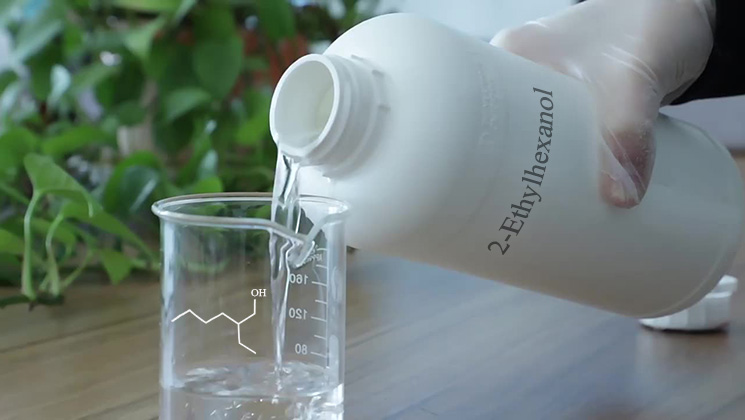
2-Ethylhexanol is a flammable liquid, which in contact with a strong oxidizer may cause a fire. The appearance of this compound is a clear, colorless liquid from the alcohol family, which is almost insoluble in water but dissolves well in most aqueous solvents.

2-Ethylhexanol


What is 2-Ethylhexanol?

It is a branched, eight-carbon chiral alcohol, which is widely used in many applications such as solvents, flavorings, and aromatics, and especially as a precursor in the production of other chemicals such as emollients. This substance is insoluble in water and has a lower density than water. Although isooctanol (and the derivative isoxyl prefix) is commonly used in industry to refer to 2-ethylhexanol and its derivatives, IUPAC nomenclature conventions dictate that this name properly refers to another isomer of octanol, 6-methyl heptane- 1- Apply first.


Table of technical specifications of 2-Ethylhexanol

Product Name 2-Ethylhexanol
The chemical formula of 2-Ethylhexanol C8H18O
Appearance Clear colorless liquid
Molar mass 130.23g/mol
Classification Alcohols
Density 833 kg/m³
Boiling point 184.7 °C
Melting point -76 °C


2-Ethylhexanol production method

2-Ethylhexanol is industrially produced by condensation of aldol n-butyraldehyde followed by hydrogenation of the resulting hydroxyaldehyde. About 2,500,000 tons are prepared in this way every year.


Click on the link below to read more:

2-Ethylhexanol


+ نوشته شده در  سه شنبه 8 فروردين 1402ساعت 2:20  توسط  ایران مارکت  بازدید <-PostHit-> برچسب ها:

Cetostearyl Alcohol

Cetostearyl Alcohol

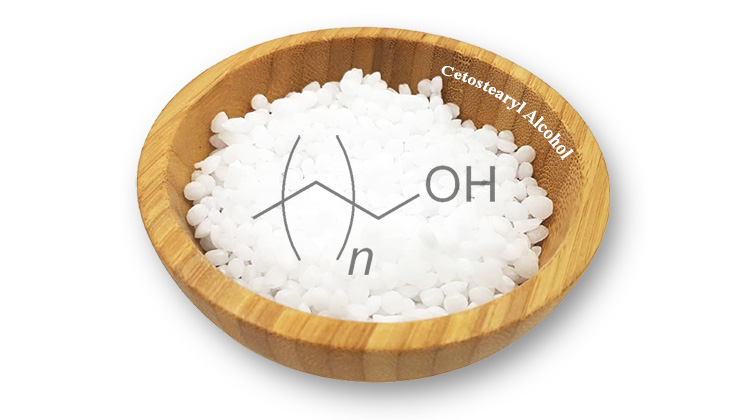
Cetostearyl Alcohol, stearyl alcohol, or cetylstearyl alcohol, is a mixture of fatty alcohols, consisting mostly of acetyl (16°C) and stearyl (18°C) alcohols, and is classified as a fatty alcohol.

The source of cetostearyl alcohol is natural products such as vegetables and synthetic chemical compounds. This material is used as an emulsion stabilizer, matting agent and surfactant, foam enhancer, and also as an aqueous and non-aqueous viscosity-increasing agent.

This fatty alcohol contains 10-35% cetyl alcohol and 65-90% stearyl alcohol as well as some long or short-chain alcohols. This compound is insoluble in water, but it is soluble in polar solvents, alcohol, and petroleum substances, and it is incompatible with strong oxidizers and metal salts.

Cetostearyl Alcohol


Table of technical specifications of cetostearyl alcohol

Chemical formula of cetostearyl alcohol


n C34H72O2 = variable, typically 14-16


Melting point


48°C 56°C


Boiling point


249°C


Dissolvability


Soluble in oil, insoluble in water


Appearance


White waxy solid


Smell


Odorless


Production of cetostearyl alcohol

Alcohol is a kind of waxy substance and it is naturally obtained from palm oil or coconut oil, but it is also produced synthetically in the laboratory. cetostearyl alcohol is also known by different names such as C16-18 alcohol.


Click on the link below to read more:

Cetostearyl Alcohol


+ نوشته شده در  سه شنبه 8 فروردين 1402ساعت 2:19  توسط  ایران مارکت  بازدید <-PostHit-> برچسب ها:

Liquid Paraffin

Liquid Paraffin

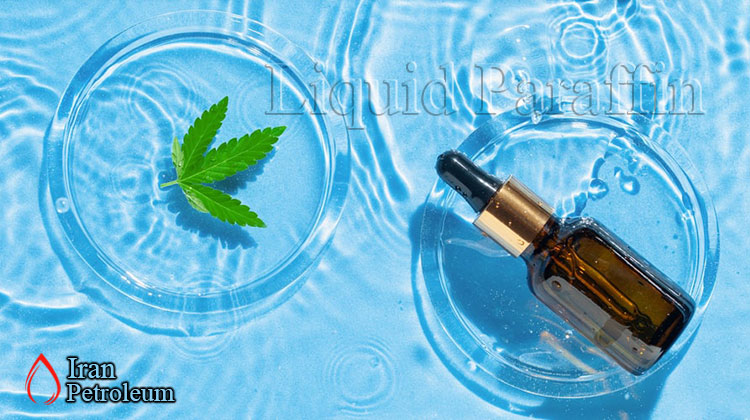
Liquid Paraffin Wax is a milky liquid composition and is used for washing powder, synthetic detergents, synthetic petroleum proteins, emulsifier pesticides, etc. In the liquid paraffin industry, it is considered a subcategory of lubricants, because it is a type of liquid oil. In fact, this chemical is a mixture of liquid hydrocarbons.

Liquid Paraffin


What is liquid paraffin?

Refined and very pure paraffin is called liquid paraffin or white oil or kerosene. This material is white or transparent in appearance. The boiling point of this substance is 175 degrees Celsius and its evaporation point is 265 degrees Celsius.

Sanitary paraffin, which is used in pharmaceuticals to make ointments and creams, is also called pharmaceutical-grade liquid paraffin. This paraffin is a very pure mineral oil that is used in the production of various cosmetics and also for medical purposes.


Production of liquid paraffin

Liquid paraffin is obtained from the distillation of petroleum derivatives. This material is sold in two forms: colorless oily liquid or white oily liquid.


Click on the link below to read more:

Liquid Paraffin


+ نوشته شده در  سه شنبه 8 فروردين 1402ساعت 2:19  توسط  ایران مارکت  بازدید <-PostHit-> برچسب ها:

2-butoxyethanol - Butyl glycol

2-butoxyethanol - Butyl glycol

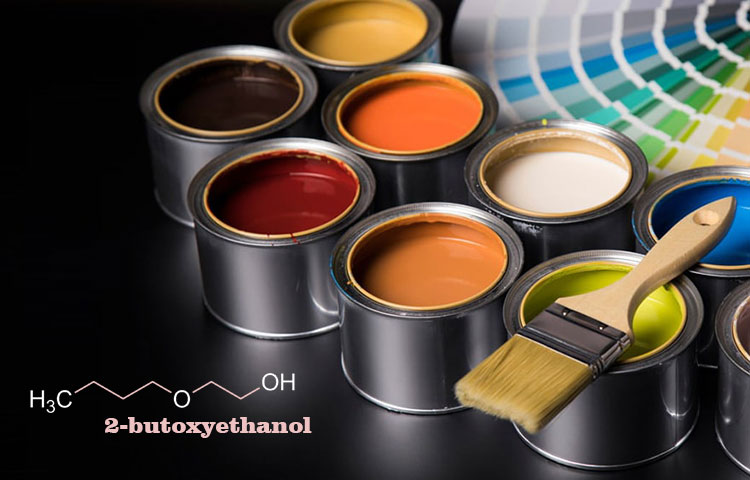
Butyl glycol is known as BG, 2-butoxyethanol, glycol monobutyl ether and ethylene glycol monobutyl ether. It is a glycol ether with moderate surfactant properties, which can be used as a solvent. In fact, butyl glycol is a natural alcohol that is extracted from petroleum. This compound is a colorless, water-soluble liquid that has a sweet, ether-like odor because it comes from the glycol ether family, and is an ether butyrate of ethylene glycol.

2-butoxyethanol – Butyl glycol


What is 2-butoxyethanol?

Since their use in the 1930s, glycol ethers are solvents that dissolve both water-soluble and hydrophobic materials. Glycol ethers consist of two components, alcohol, and ether. According to the nature of alcohol, molecules of this class can be divided into two groups: E series and P series, which correspond to ethylene and propylene, respectively. Glycol ethers are chosen for specific purposes such as solubility, flammability, and volatility.

2-Butoxyethanol is miscible in water and dissolves in most organic solvents. This substance is known as a relatively non-volatile and inexpensive solvent. Also, due to its properties as a surfactant, it is used in many household and industrial products.

In sensitive individuals, 2-butoxyethanol may be irritating to the skin, eyes, or nasal passages, but it is the least irritating of the glycols. In fact, this glycol is not associated with any specific organ toxicity and, unlike ethylene glycol, is not considered carcinogenic.


Table of technical specifications of 2-butoxyethanol

Product Name 2-Butoxyethanol
The chemical formula of butyl glycol C6H14O2
Molecular mass 118.17 g/mol
Appearance colorless transparent liquid
Density 0.890 g/cm3
Melting point -77 °C
Boiling point 171 °C
Viscosity at 25°C 2.9 cP


Click on the link below to read more:

2-butoxyethanol - Butyl glycol


+ نوشته شده در  سه شنبه 8 فروردين 1402ساعت 2:18  توسط  ایران مارکت  بازدید <-PostHit-> برچسب ها:

Paraffin Oil

Paraffin Oil

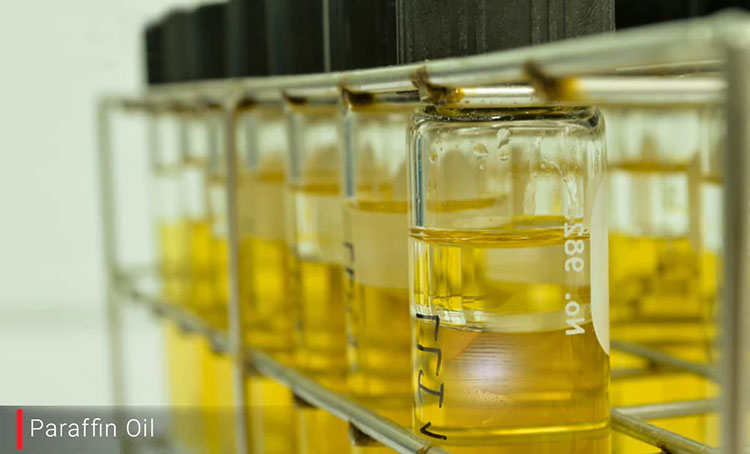
Abraham Gessner, a Canadian geologist, first distilled kerosene from coal in 1846. Kerosene, also called paraffin or paraffin oil, is a flammable and clear liquid that is distilled from oil. It is a mixture of different hydrocarbons and is less volatile than gasoline.

Paraffin oil is not the same as liquid paraffin. Paraffin oil is a yellow or clear colorless liquid, often known as mineral oil. This substance is colorless and odorless and is obtained from the distillation of crude oil. Paraffin oil is divided into two types, light and general, which have a low viscosity ratio of light mineral oil. Paraffin oil does not contain aromatic hydrocarbons and environmental protection. This product is marketed in pharmaceutical or health, food or edible and industrial grades and has various uses. Industrial-grade paraffin oil does not pollute the environment.

This product is marketed in the pharmaceutical, food, rubber, and plastic industries, cosmetics, and health industries and has various applications. Paraffin oil does not contain aromatic hydrocarbons and environmental protection. It does not pollute the environment in industrial applications.

Paraffin Oil


What is Paraffin?

Paraffin is a saturated hydrocarbon compound in which all carbon atoms are coected to each other with simple bonds and other bonds are saturated with hydrogen atoms.  Kinds of paraffin or paraffinic hydrocarbons are also called alkanes. This material are the main components of natural gas and oil. Paraffin has the chemical formula CnH2n+2, where the letter C is a carbon atom, H is a hydrogen atom, and n is an integer. Paraffin is obtained from petroleum derivatives. This petroleum composition exists in two forms, liquid and solid.

The cost of producing paraffin was high, but when new sources of paraffin and cheaper methods of refining were discovered, the price of the fuel changed dramatically and came down. Paraffin retains a lot of heat.


Types of Paraffin


History of Paraffin

Paraffin wax was first discovered in 1830 by Carl von Reichenbach, a German chemist. He tried to produce a device that can be used to separate and purify the waxy substances that are naturally present in oil.


Click on the link below to read more:

Paraffin Oil


+ نوشته شده در  سه شنبه 8 فروردين 1402ساعت 2:18  توسط  ایران مارکت  بازدید <-PostHit-> برچسب ها:

o-Xylene and m-Xylene

o-Xylene and m-Xylene

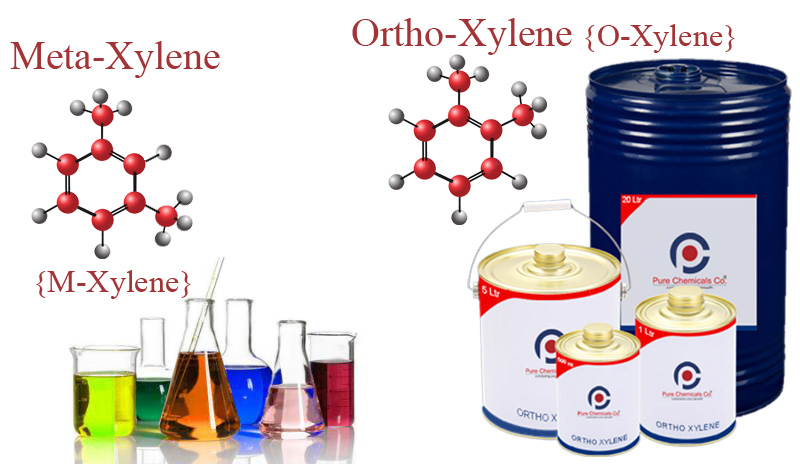
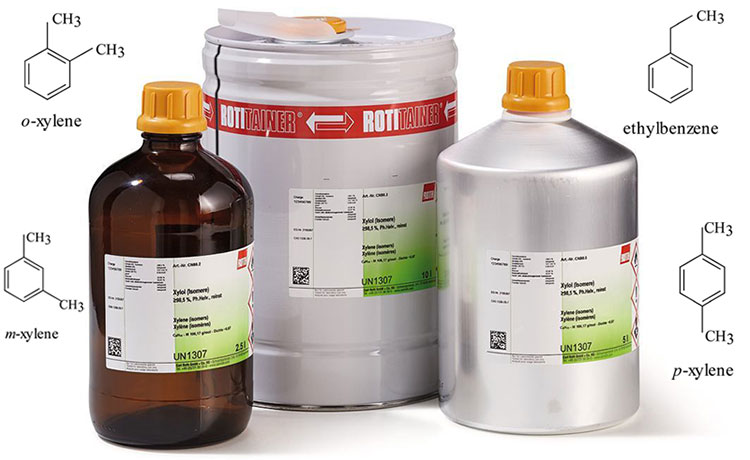
o-Xylene (Ortho-Xylene) is an aromatic hydrocarbon with the formula C6H4 (CH3) 2, which is mainly extracted from crude oil. Ortho-Xylene is the same xylene with methyl groups in its 1 and 2 positions. Xylene is a colorless and flammable liquid with a sweet smell that exists in the form of 3 isomers of Meta, Ortho, and Para-Xylene. o-Xylene is the second functional isomer of xylene used to make PVC plastic. Industrial xylene is not only used as a solvent and additive in the rubber and coatings industry, but also as an additive in aviation fuel.

The Ortho, Meta, and Para-Xylene isomers isolated from this compound are phthalic acid, isophthalic acid, and terephthalate acid, respectively. Phthalic acid and terephthalic acid are used in the production of plastics, polyester resins, and polyester fibers.

Petroleum contains about 1% xylene, and most Ortho-Xylene is produced by petroleum cracking. The net production of this material in 2019 was about 500,000 tons.

o-Xylene is originally produced from coal, but currently, most of its domestic and foreign production is mainly done through modified catalytic extraction of oil and the thermal cracking of aromatic hydrocarbons.

o-Xylene and m-Xylene


Applications of o-Xylene

o-Xylene is the second commercial isomer of xylene, and almost all of it is used in the manufacture of phthalic anhydride (PA), which has three main uses, including the use in the manufacture of polyvinyl chloride (PVC) resins, the production of unsaturated polyester resins (UPRs). and making alkyl resins that are used for surface coatings.

Ortho-Xylene in industrial xylene has a difference of more than 5.2 degrees Celsius from other isomers, and this substance can be obtained with a purity of 95% by careful distillation. Its further processing using sulfonation and distillation for purification can give us a substance with greater purity.

This compound is an inexpensive raw material for the production of phthalic anhydride, which has a high yield potential and is used as a precursor to many products, drugs, and other chemicals.

This compound is mainly used as a chemical raw material and solvent, and it can be used to produce dyes, pesticides, drugs, vitamins, and as chromatography standards.

o-Xylene is the raw material for the production of pheniramine microbicide, tetrachlorophenyl peptide, and benzofuran methyl herbicide. This material is used as an intermediate for the production of O-methyl benzoic acid.


Click on the link below to read more:

o-Xylene and m-Xylene


+ نوشته شده در  سه شنبه 8 فروردين 1402ساعت 2:15  توسط  ایران مارکت  بازدید <-PostHit-> برچسب ها:

Calcium Hypochlorite - Perchlorine

Calcium Hypochlorite - Perchlorine

Perchlorine or calcium hypochlorite is a white substance with disinfection properties that is used to disinfect water, vegetables, fruits, dishes, bathrooms, toilets, and contaminated places. The purity percentage or degree of purity of chlorine powder is 60-70%.

Perchlorine is a chemical compound containing the perchlorate ion, −ClO. The name of Ayupak is calcium hypochlorite. This material is sold in powder form in 45 kg gallon packages. Chlorine white powder has 33.5% to 39% chlorine, and calcium hypochlorite granules or powdered chlorine has 65 to 70% chlorine by weight.

Calcium Hypochlorite - Perchlorine


What is calcium hypochlorite?

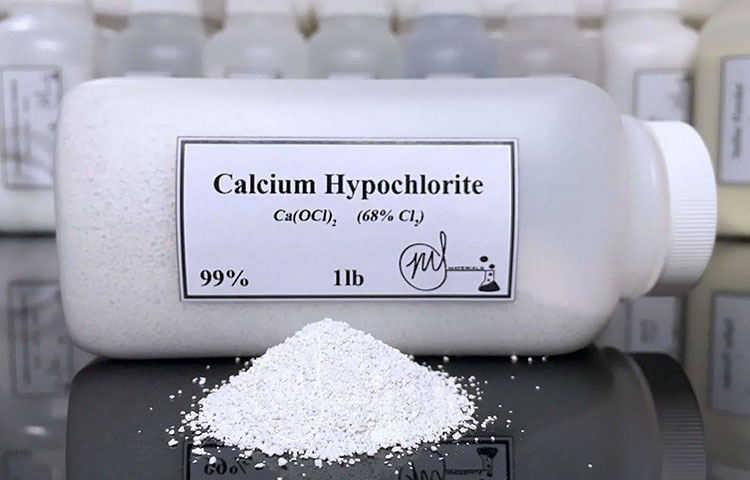
Calcium hypochlorite is an inorganic compound with the formula Ca(OCl)2. This material is the main active ingredient of commercial products called bleaching powder, chlorine powder, or chlorine lime, which is used for water purification and as a bleaching agent. This compound is relatively stable and has more available chlorine than sodium hypochlorite (liquid bleach). Its appearance is a white solid. Due to its slow decomposition in humid air, it smells strongly of chlorine.

In chemistry, hypochlorite is the anion with the chemical formula ClO2. It combines with several cations to form hypochlorites, which may also be considered salts of hypochlorous acid. Common examples include sodium hypochlorite (a dishwashing liquid or household bleach) and calcium hypochlorite (except bleaching powder, swimming pool “chlorine”).


What is perchlorate?

Most perchlorates are commercial salts. Perchlorates are colorless solids that are soluble in water. Perchlorate anion is the result of the dissociation of perchloric acid and its salts when dissolved in water. Many perchlorate salts are soluble in non-aqueous compounds. Perchlorate ion is the least reactive of the generalized chlorates. Perchlorate contains chlorine at its highest oxidation number. The table of reduction potentials of four chlorates shows that, contrary to expectation, perchlorate is the weakest oxidant among these four chlorates.

Perchlorate and chlorate are stronger oxidizers under acidic conditions than under basic conditions. Most perchlorate compounds, especially salts of electropositive metals such as sodium perchlorate or potassium perchlorate, do not oxidize unless heated.


Click on the link below to read more:

Calcium Hypochlorite - Perchlorine


+ نوشته شده در  سه شنبه 8 فروردين 1402ساعت 1:59  توسط  ایران مارکت  بازدید <-PostHit-> برچسب ها:

Peracetic Acid

Peracetic Acid

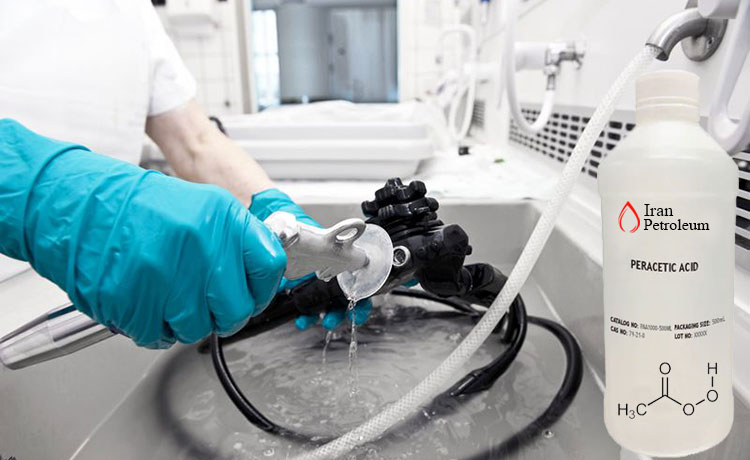
Peracetic acid, also called peroxyacetic acid or PAA, is an organic compound with the chemical formula CH3CO3H. This organic peroxide is a colorless liquid with a distinct pungent smell like vinegar, which is reminiscent of acetic acid and can be very corrosive. This material is a weaker acid than the parent acetic acid and its pKa is 8.2. Peracetic acid (C2H4O3) is a mixture of acetic acid (CH3COOH) and hydrogen peroxide (H2O2) in water.

Peracetic Acid


Table of technical specifications of peroxyacetic acid

The molecular formula of peracetic acid C2H4O3
Molecular weight 76.05 g/mol
Appearance Colorless liquid
Density 1.04 g/cm3
Melting point 0 °C
Boiling point 110 °C


The production method of peracetic acid

Peracetic acid is produced industrially by the oxidation of acetaldehyde:

O2 + CH3CHO → CH3CO3H

This substance forms a strong acid when treating acetic acid with hydrogen peroxide with a catalyst:

H2O2 + CH3CO2H ⇌ CH3CO3H + H2O

As another option, acetyl chloride and acetic anhydride can be used to produce an acid solution with lower water content. This material is produced by the reaction between hydrogen peroxide and acetic acid:

Acetic acid + hydrogen peroxide → peracetic acid

Peracetic acid can also be produced by the oxidation of acetaldehyde. This material is usually produced in concentrations of 15%.

When peracetic acid dissolves in water, it decomposes into hydrogen peroxide and acetic acid, which, as the water breaks down, oxygen and carbon dioxide lost. The degradation products of peracetic acid are non-toxic and can be easily dissolved in water. This material is a very strong oxidant that overestimates the oxidation potential of chlorine and chlorine dioxide.

Peracetic acid is also produced by some laundry detergents. This route involves the reaction of tetraacetylethylenediamine in the presence of an alkaline solution of hydrogen peroxide. This material is an effective and stronger bleaching agent than hydrogen peroxide itself. (PAA) also occurs naturally in the environment through a series of photochemical reactions involving formaldehyde and photo-oxidizing radicals.

This material is always sold as a mixture of acetic acid and hydrogen peroxide in a solution, to maintain its stability. The concentration of acid as an active ingredient can be different.


Click on the link below to read more:

Peracetic Acid


+ نوشته شده در  سه شنبه 8 فروردين 1402ساعت 1:59  توسط  ایران مارکت  بازدید <-PostHit-> برچسب ها:

Xylene

Xylene

Xylene is a colorless, volatile, sweet-smelling, flammable liquid that is insoluble in water and remains on its surface when mixed with water. Xylene consists of two methyl groups attached to the six-carbon ring of benzene, therefore it is also called dimethylbenzene.

Xylene is a term used for the mixture of three isomers of xylene, i.e. Ortho-Xylene, Meta-Xylene, and Para-Xylene we have explained each one specifically in other articles.

This material is mainly used as a solvent and is used in the printing, rubber, and leather industries and can replace toluene in places where slower drying is required. This chemical is primarily a synthetic chemical. However, it occurs naturally in oil, and coal, and is produced during forest fires.

Xylene is an aromatic hydrocarbon widely used as a solvent in industry and medical technology. The chemical formula of this compound is C6 H4 (CH 3) 2. This compound is found in small amounts in jet fuel, gasoline, and cigarette smoke.

Xylene


Features of xylene

The chemical and physical properties of xylene are different according to the respective isomers. The melting point of this compound varies from -47.87°C (m-Xylene) to 13.26°C (p-Xylene). Typically, the melting point of the para isomer is much higher because it easily fits into the crystal structure. The boiling point of each isomer is around 140°C (284°F).

The density of each isomer is about 0.87 g/ml, and as a result, it has a lower density than water. This chemical in the air can be identified by the smell in concentrations from 0.08 to 3.7 ppm, and in water with a concentration of 0.53 to 1.8 ppm, its sweet taste can be recognized.


Specific applications of xylene

Xylene, often called xylol, is a powerful chemical solvent. This substance is derived from petroleum and therefore has certain advantages over other similar products.

It may seem odd, but solvents are chemical composites that are molecularly similar to the substances they are designed to dissolve. Since xylene is made from petroleum, it is especially good at removing paints, wood stains, and other synthetic products without damaging surfaces. It also acts as a solvent with compounds used on metals to prevent rust. Other materials that xylene will dissolve include a variety of adhesives and putty, as well as grease, glazes, resins, and waterproofing materials.


Click on the link below to read more:

Xylene


+ نوشته شده در  سه شنبه 8 فروردين 1402ساعت 1:58  توسط  ایران مارکت  بازدید <-PostHit-> برچسب ها:

Texapon N70 - Sodium Lauryl Ether Sulfate (SLES)

Texapon N70 - Sodium Lauryl Ether Sulfate (SLES)

Texapon N70 is a sodium laureate sulfate commonly used in medium to high viscosity clear pearlescent products and detergent products. Texapon is a highly active ether sulfate produced from a medium fatty alcohol containing an average of 2 moles of ethylene oxide with maximum control of unwanted byproducts, including odor-causing products.

Texapon N70 - Sodium Lauryl Ether Sulfate (SLES)


What is Texapon N70?

Texapon N70 is a highly concentrated sodium lauryl ether sulfate derived from natural fatty alcohols. Texapon is particularly suitable for highly concentrated end products or when raw materials with a lower water content are required due to the high leaching content of the active ingredient. In this way, the viscosity of diluted texapon solutions with approximately 5 to 28% washing active ingredient can be easily increased to the desired amount. Its other anions include sodium laurate sulfate and sodium myrate sulfate.

SLES or Texapon N70 acts as a foaming, cleansing and moisturizing agent. Most detergent products contain 30-70% SLES. Texapon N70 is a paste that has a high viscosity and its appearance is transparent. Because this product contains salt, after diluting it, the viscosity decreases. By increasing NaCl and alkanol amides, the viscosity of this compound can be controlled. N70 type of this product is the highest concentration of SLES produced in the ethoxylation process of dodecyl alcohol.


Texapon N70 technical specification table

Product Name Sodium ether lauryl sulfate 70%
The amount of active ingredient 94%
Minimum pH (1% aqueous solution) 8.5 10.5
Percentage of sodium sulfate Maximum 1.5 percent
Percentage of sodium chloride Maximum 0.5%
Percentage of sulfate-free material Maximum 2 percent
chemical formula NaC12H25SO4
Humidity Maximum 3
Molecular weight 288.4 g/mol


Click on the link below to read more:

Texapon N70 - Sodium Lauryl Ether Sulfate (SLES)


+ نوشته شده در  سه شنبه 8 فروردين 1402ساعت 1:58  توسط  ایران مارکت  بازدید <-PostHit-> برچسب ها:

Sulfamic acid

Sulfamic acid

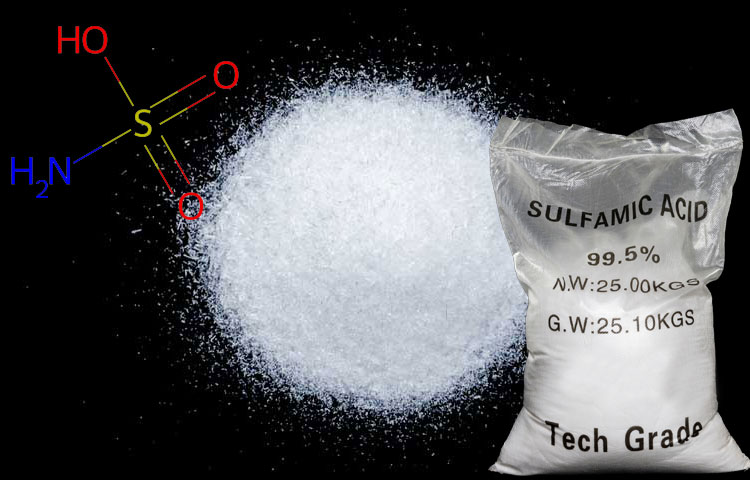
This substance is a strong acid known by names such as sulfamidic acid, amidosulfonic acid, amidosulfuric acid. Sulfamic acid has the ability to form sulfamate salt. In terms of appearance, it is a crystalline white powder with fine and shiny particles and has the chemical formula (H3NSO3). This substance is completely soluble in water. The melting point of sulfamic acid is 205 degrees Celsius.

This material is an almost strong acid with a molecular weight of 97.10 g/mol. This material is non-toxic, non-volatile and odorless and is not considered as a dangerous compound. It actually looks like wet snow.

Sulfamic acid


Sulfamic acid technical specification table

Product Name Sulfamic acid
Molecular formula H3NSO3
Molar mass 97.10 g/mol
Density 2.15 g/cm3
Melting point 205 °C
Solubility Soluble in water and alcohols, acetone and nitrogen-based substances


Structure of sulfamic acid

In terms of chemical structure, sulfamic acid is an intermediate compound between sulfuric acid and sulfamide. Sulfamate compounds are also derivatives of this material. This acid is one of the simplest sulfamic acids, which consists of a single sulfur atom. This sulfur is coected to two oxygen atoms by covalent bonds with hydroxide and amino groups and by double bonds.


Click on the link below to read more:

Sulfamic acid


+ نوشته شده در  سه شنبه 8 فروردين 1402ساعت 1:57  توسط  ایران مارکت  بازدید <-PostHit-> برچسب ها:

Paraxylene

Paraxylene

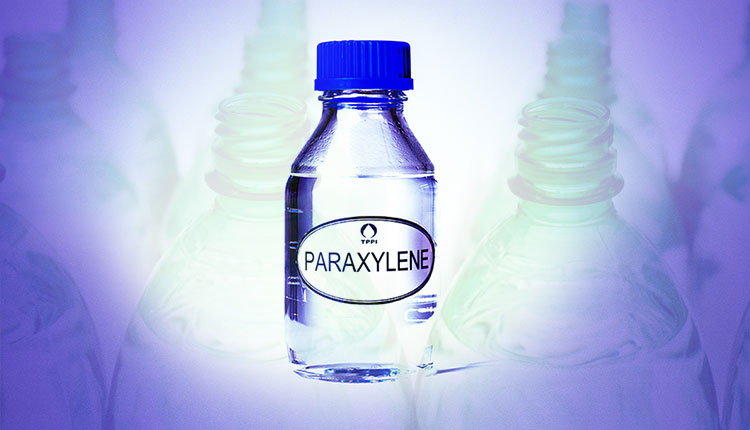
Paraxylene is a clear liquid with a sweet smell that has irritating vapors. The density of this substance is less than water and it is insoluble in water. Paraxylene is used to make plastic bottles and polyester fibers.

Paraxylene or para-xylene or p-xylene, abbreviated as PX, is an aromatic hydrocarbon derived from benzene. Paraxylene is toxic and flammable at room temperature. This substance is naturally present in gasoline and coal.

This compound has the largest volume of xylene isomers and 98% of it is used in polyester production, especially for the production of fibers, film, and polyethylene terephthalate (PET). Currently, the paraxylene supply market is witnessing significant growth with the increase in the consumption of pure acid terephthalate (PTA).

The paraxylene market has experienced strong growth with the increase in the use of PTA in the manufacture of polyester. Demand for DMT is slowly declining as polyester producers prefer the economical PTA route, although demand for DMT is increasing in the production of engineering polymers such as polybutylene terephthalate.

In Asia, most of the growth in polyester is related to fiber, which accounts for almost two-thirds of global demand. This fabric is used to make clothes and household items such as bedspreads, curtains, and fabrics.

However, this decline has been offset by strong growth in the PET bottle resin market, which now accounts for more than 30% of global polyester demand. This growth is mainly due to the replacement of glass in soft drinks and mineral water bottles. PET has also found applications in additional markets such as sports drinks, fruit juices, and food products such as oils, sauces, and dressings.

Paraxylene


Paraxylene applications

Paraxylene is used as a raw material for the production of other industrial chemicals, especially terephthalic acid (TPA), pure terephthalic acid (PTA), and dimethyl terephthalate (DMT). TPA, PTA, and DMT to produce polyethylene terephthalate (PET) polyesters. Bottles made of PET plastic are widely used as containers for water, soft drinks, and other beverages. Because PET is lightweight, shatter-resistant, and strong. In addition, PET helps retain gas in carbonated beverages. Because it has strong carbon dioxide-blocking properties.

Other uses of PET include:

  • containers for cosmetics,
  • Other cosmetics consumables,
  • curtain fabrics,
  • cover and clothing,
  • film for x-rays,
  • magnetic tape,
  • Photographic film and electrical insulation,
  • and packaging for welding bags,
  • processed meats,
  • Small films.


Click on the link below to read more:

Paraxylene


+ نوشته شده در  سه شنبه 8 فروردين 1402ساعت 1:57  توسط  ایران مارکت  بازدید <-PostHit-> برچسب ها:

Texapon

Texapon

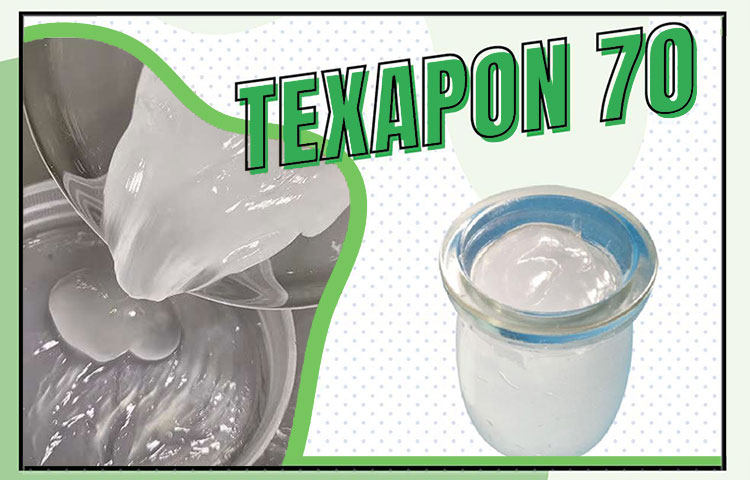
Texapon is a white or yellow semi-transparent paste with a mild odor, which is sodium lauryl ether sulfate. It has good foaming properties, but the foam is light and not creamy. It is part of cosmetic and medicinal raw materials. This product is supplied in 110-200 kg barrels and exported in bulk.

Texapon


What is Texapon?

Texapon is used in detergents to create foam and bubbles. Texapon acts as a basic surfactant and easily thickens with salt. This stable compound is derived from natural fatty alcohols that have a high molecular weight and waxy content.

In fact, in general, there are four types of anionic, cationic, nonionic and amphoteric surfactants, where Texapon is an anionic surfactant with excellent performance and no color. Sodium Lauryl Ether Sulfate (SLES) has excellent detergent, emulsification and plasticity properties. Texapon, sodium lauryl ether sulfate (SLES N70) is a colorless or light yellow viscous paste liquid that is odorless and easily soluble in water.

The content of Texapon is very low in salt and it has a very low viscosity when it is watery or diluted with water to the concentration of normal use. But we can adjust the viscosity by adding sodium chloride and appropriate alkanol amides. This product is marketed with two concentrations of 30 and 70%.


Texapon technical specification table

Product Name Texapon
Chemical formula CH3(CH2)10CH2(OCH2CH2)nOSO3Na
Molecular weight 288.38 g/mol
pH Neutral equivalent to 7
Density 1.05 g/cm³


For each ethylene oxide group received, the amount of 44.05 g/mol is added to the molecular weight of Texapon. Therefore, for the sodium lauryl ether sulfate molecule that has 3 ethylene oxide groups, the molecular mass is calculated as 420.54 g/mol.


Properties of Texapon

Texapon has excellent inhibition, emulsification and plasticity. This chemical substance dissolves easily in water. It is also resistant to hard water and high biological decomposition.


Click on the link below to read more:

Texapon


+ نوشته شده در  سه شنبه 8 فروردين 1402ساعت 1:55  توسط  ایران مارکت  بازدید <-PostHit-> برچسب ها:

Polypropylene

Polypropylene

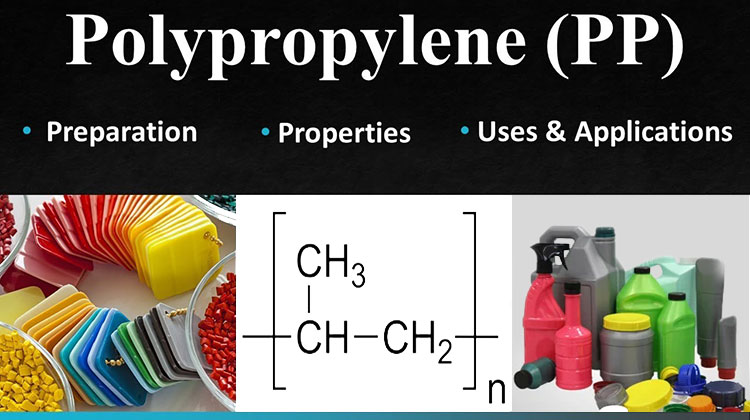
Polypropylene, abbreviated as PP, is a thermoplastic composite polymer made from a combination of propylene monomers.

This product has different types and depending on its application, it is produced in different grades such as raffia, medical, etc. In the following text, the necessary information for the preparation of the product, as well as additional information about the production method, types, different applications, etc., are mentioned.

Polypropylene


What is polypropylene?

Polypropylene is the second most widely used thermoplastic from the polyolefin family. PP is a versatile material that integrates properties such as lightness, strength, high heat resistance, rigidity, and flexibility. Polypropylene is molecularly a linear hydrocarbon resin whose chemical formula is C3H6.


Production and polymerization methods

Polypropylene is generally produced from propylene using the Ziegler-Natta polymerization method or metallocene catalysis. Polypropylene production starts from crude oil, where the crude oil is distilled and the naphtha cut is separated from it. Then naphtha is subjected to a cracking process, this process happens when naphtha is used as feed in petrochemical steam crackers.


Advantages of polypropylene

  • Low density (0.9 0.91 g/cm3)
  • Destructive resistance to environmental stress
  • High tensile strength
  • High rigidity
  • Polypropylene is easily available and relatively cheap.
  • PP has high bending due to its semi-crystalline nature.
  • PP has a relatively slippery surface.
  • PP is very resistant to moisture absorption.
  • PP has good chemical resistance in a wide range of acids and bases.
  • PP has good fatigue resistance.
  • PP has good impact strength.
  • PP is a good electrical insulator.
  • Good mechanical strength
  • Good molding properties
  • Odorless and non-toxic


Click on the link below to read more:

Polypropylene


+ نوشته شده در  سه شنبه 8 فروردين 1402ساعت 1:54  توسط  ایران مارکت  بازدید <-PostHit-> برچسب ها:

Oleic Acid

Oleic Acid

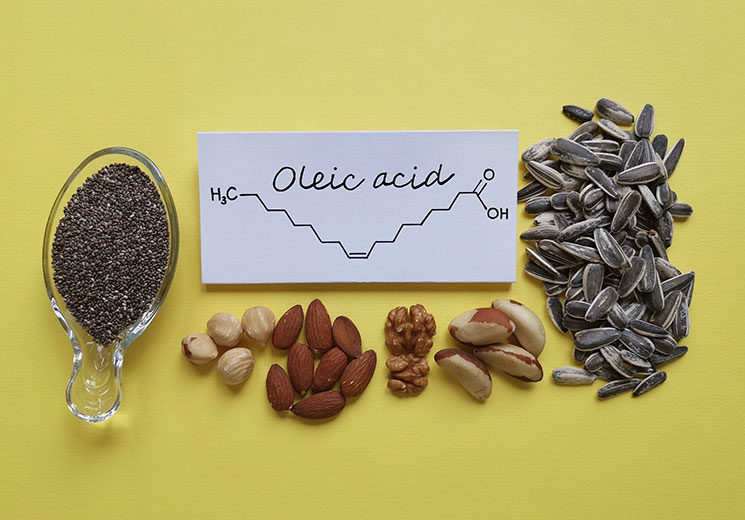
Oleic Acid is a fatty acid that is naturally present in various animal and vegetable fats and oils. This acid is an odorless and colorless oil, but commercial samples are yellowish or brown.

Oleic Acid


What is oleic acid?

Chemically, oleic acid is classified as an unsaturated fatty acid. The name oleic is derived from the Latin word oleum meaning oil. Oleic acid is the most common fatty acid in nature. Oleic acid salts and esters are called oleate.

Oleic acid is the most common unsaturated fatty acid in nature. Fatty acids (or their salts) are often absent in biological systems as such. Instead, fatty acids such as oleic acid exist as their esters, usually triglycerides, which are the fatty substances of many natural oils.

This substance is found in fats (triglycerides), membrane-forming phospholipids, cholesterol esters and wax esters. Oleic acid is the most common omega-9 fatty acid and the most common unsaturated fatty acid. Oleic acid is the most abundant fatty acid in human adipose tissue, and is generally the second most abundant in human tissues after palmitic acid.


The role of oleic acid in oils

Oleic acid triglycerides make up the majority of olive oil. Oleic acid makes olive oil inedible. Also 59-75% pecan oil, 61% canola oil, 67-36% peanut oil, 60% macadamia oil, 20-80% sunflower oil, 15-20% grape seed oil, bucktho oil, 40% sesame oil, and 14% of poppy seed oil is also composed of oleic acid. This substance is present in many animal fats and it makes up 37-56% of chicken and turkey fat and 44-47% of pork contains oleic acid.


Click on the link below to read more:

Oleic Acid

+ نوشته شده در  سه شنبه 8 فروردين 1402ساعت 1:54  توسط  ایران مارکت  بازدید <-PostHit-> برچسب ها:

Poly Aluminum Chloride

Poly Aluminum Chloride

Poly aluminum chloride is introduced in the consumer market with the industrial name of Poly Aluminum Chloride.

Other names of PAC include basic aluminum chloride, polybasic aluminum chloride, aluminum hydroxide, aluminum oxychloride, and aluminum chlorohydrate.

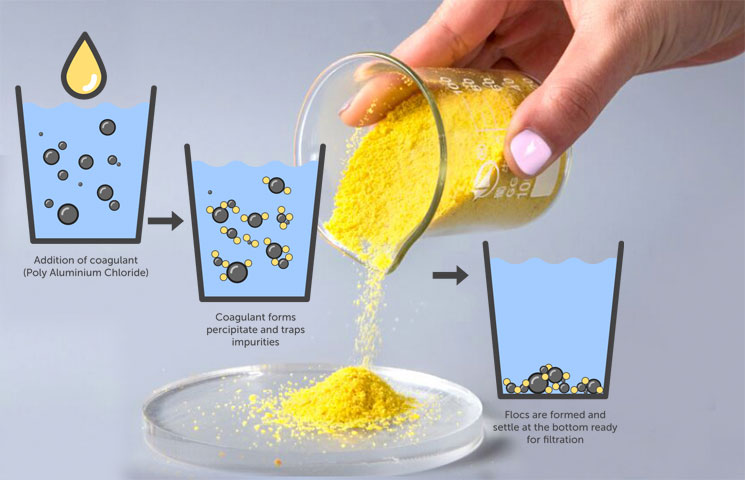
This product, abbreviated as PAC, is a widely used coagulant; which is widely used instead of two old coagulants, aluminum sulfate and chloroauric and it causes flocculation, reduction of TDS of water, clarification, removal of turbidity and instability of colloids. In terms of appearance, the PAC has 2 types: solid and liquid, which is solid poly aluminum chloride in the form of powder or crystal.

According to its production grades, it is produced and marketed in two colors, from milky white to bright yellow. Liquid poly aluminum chloride is produced in light yellow to reddish yellow color and can be edible or industrial. The pack is produced with 3 types of purity: 9%, 18%, and 30%.

Poly Aluminum Chloride


What is poly aluminum chloride?

Poly aluminum chloride is a polymeric and inorganic coagulant. Several applications of this technology have been developed over the past few years, including the treatment of drinking water, sewage, agricultural and industrial effluents, and wastewater.

This inorganic coagulant is very efficient in the world and forms stable compounds with many inorganic and organic substances.

This substance is used in the food, cosmetic, and leather industries, in the public sector, in drinking water purification and conditioning, in water purification processes for thermal power plants, regional power stations, steam boilers, and for swimming pool water purification mainly in the cold season.

During the separation and extraction of water impurities, this industrial material operates at high power and speed. China, Canada, America, Italy, France, and England are among the countries using poly aluminum chloride as a coagulant agent in their water purification systems.

Throughout Iran, this material replaces old coagulants (aluminum sulfate and chloroferric) in many industries.


Features and characteristics of aluminum chloride

Among the unique and special characteristics of poly aluminum chloride are having a long life, not changing the PH of the water, reducing consumption, coagulant amount, being strong and effective, producing little sludge or waste, high efficiency, ease and Ease of use, hygiene, reduction of water corrosion activity, reduction of costs of neutralization after coagulation, no temperature limit, efficiency, and reasonable price. Due to its higher purity percentage, higher molecular weight, and better coagulant properties, poly aluminum chloride is more commonly used than other coagulants and has many supporters.


Click on the link below to read more:

Poly Aluminum Chloride


+ نوشته شده در  سه شنبه 8 فروردين 1402ساعت 1:53  توسط  ایران مارکت  بازدید <-PostHit-> برچسب ها:

Linear Low Density Polyethylene

Linear Low Density Polyethylene

Polyethylene granules are one of the most popular thermoplastic materials and the most widely used materials in many plastic product manufacturing industries today. Polyethylene is used in producing films, water, sewage pipes, plastic parts, and various sectors such as packaging, automobile manufacturing, electricity, etc. Linear Low Density Polyethylene is a type of light polyethylene, a semi-hard and semi-transparent polymer used in various industries and the production of multiple products due to its features and functional properties. From a chemical formula point of view, it’s known as LLDP 22B02.  In the following, you will get to know more about its features and specifications.

Linear Low Density Polyethylene


Characteristics of Linear Low Density Polyethylene

This type of transparent light polyethylene has features such as flexibility, chemical resistance, and waterproofing, which is an essential characteristic of LLDP 22B02.

Attributes

Amounts

Tensile strength 0.20 0.40 N/mm²
Thermal coefficient of expansion

100-220 x 10-6

Maximum use of temperature 65˚C / 149˚F
Density 0.917-0.930 g/cm3
Diluted acid

Excellent

Dilute alkalis

Excellent

Oil and grease

medium (variable)

Aliphatic hydrocarbons

insignificant

Aromatic hydrocarbons

insignificant

Halogenated hydrocarbons

insignificant


Important features of LLDP 22B02

One of the most important characteristics of the LLDP 22B02 is the appropriate resistance to ultraviolet rays. Other features of this polymer include the following:

  • The lightweight raw materials
  • Tensile strength from 0.20 to 0.40 N/mm2
  • flexibility
  • transparency
  • Low melting point
  • Heavy impact resistance
  • Resistance to chemicals and weathering
  • Waterproof
  • Recyclability
  • Low cost to produce the product
  • Electrical insulation


Click on the link below to read more:

Linear Low Density Polyethylene


+ نوشته شده در  سه شنبه 8 فروردين 1402ساعت 1:53  توسط  ایران مارکت  بازدید <-PostHit-> برچسب ها:

Formic Acid

Formic Acid

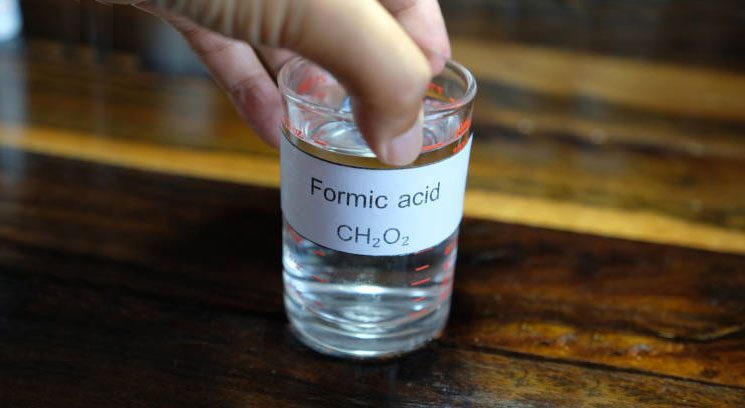
Formic acid, ant essence or systematically methanoic acid, is the simplest carboxylic acid and has the chemical formula HCOOH. This substance is an important intermediate in chemical synthesis and is produced naturally. The word “formic” is derived from the Latin word for ant, formica, which indicates the distillation of the ant’s body. The ester, salt and anion of formic acid is called formate. Industrially, formic acid is produced from methanol.

Formic Acid


History of formic acid

Some alchemists and naturalists knew that anthills gave off acid fumes as early as the 15th century. The first person to describe the isolation of this substance (by distillation of large numbers of ants) was the English naturalist John Ray in 1671. Ants secrete formic acid for attack and defense purposes.

Formic acid was first made by the French chemist Joseph Guy Lussac from hydrocyanic acid. In 1855, another French chemist, Marcelin Bertrelot, produced formic acid by synthesizing carbon monoxide.

Formic acid has long been considered a chemical compound of little interest in the chemical industry. By the late 1960s, significant quantities became available as a byproduct of acetic acid production. Now this substance has increased as a preservative and antibacterial agent in animal feed.


What is formic acid?

Formic acid is named after ants that have a high concentration of the compound in their venom. In ants, formic acid is derived from serine via an intermediate. Formic acid‘s conjugate base, formate, also occurs widely in nature. The method for measuring formic acid in body fluids, which is designed to determine formate after methanol poisoning, is based on the reaction of formate with bacterial formamide dehydrogenase.

Formic acid is flammable at a concentration of 85%. Formic acid contains 53 grams per liter of hydrogen at room temperature and atmospheric pressure, which is three and a half times what compressed hydrogen gas can achieve at a pressure of 350 bar. Pure formic acid is a liquid whose flash point is +69°C, much higher than that of gasoline (-40°C) or ethanol (+13°C).


Click on the link below to read more:

Formic Acid


+ نوشته شده در  سه شنبه 8 فروردين 1402ساعت 1:53  توسط  ایران مارکت  بازدید <-PostHit-> برچسب ها:

Masterbatch

Masterbatch

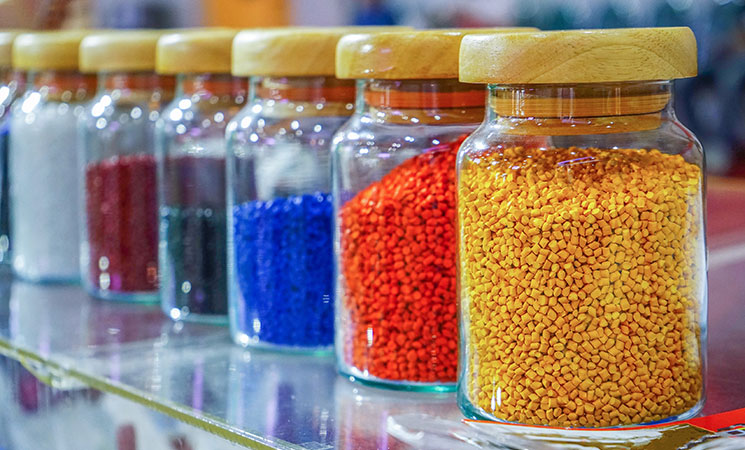
In the plastic product manufacturing industry, various additives are used to improve the properties of the final product, one of the most widely used of which is masterbatch filler.

Due to the presence of minerals in its structure, this masterbatch creates unique characteristics in products, and along with increasing the quality of the product, it reduces its cost.

In this article, we will introduce you to this widely used additive and examine its benefits in the plastic industry.

Masterbach


What is a filler masterbatch?

Masterbatch filler is an additive based on PE, PP, and PS, consisting of 20-80% of minerals. The presence of minerals in the filler masterbatch makes the final product acquire unique characteristics and increases its quality when combined with the plastic product. Adding masterbatches to plastic products can create properties such as stability and heat stability, high resistance, high hardness, etc. Using this masterbatch is an effective solution to improve the physical and chemical properties of the final product and helps to reduce its price.


Types of masterbatch filler

Masterbatch filler is produced in different types, each used according to the polymer base of plastic products. The types of filling masterbatch are:


Masterbatch talc

Talcum powder with a semi-transparent appearance and white color is added as a filler masterbatch to polymers such as polypropylene. This additive increases the resistance and thermal hardness of the product. It also prevents them from drying out. This filler is usually used for household appliances, cars, etc.  The following can be mentioned among the advantages of this masterbatch filler.

  • The property of being soft
  • High chemical resistance
  • Increased tensile strength
  • Low electrical conductivity
  • No explosion and ignition
  • Improving the hardness and strength of the product


Click on the link below to read more:

Masterbatch


+ نوشته شده در  سه شنبه 8 فروردين 1402ساعت 1:50  توسط  ایران مارکت  بازدید <-PostHit-> برچسب ها:

Polyvinyl Chloride – PVC

Polyvinyl Chloride PVC

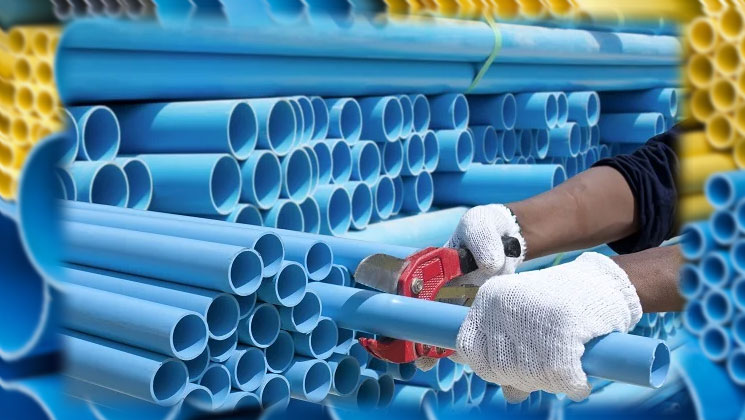
Polyvinyl chloride, or PVC, is a universal polymer with many applications (pipes, floor coverings, cable insulation, bottles, packaging foils, medical products, etc.).

The reason for the widespread use of this polymer is its low cost, suitable physical and chemical properties, and good resistance to environmental conditions. In the following, we will discuss the properties, structure, production method, buing, applications, and other things about this polymer.

Polyvinyl Chloride - PVC


What is polyvinyl chloride?

Polyvinyl chloride, or PVC, is a thermoplastic polymer with strength, stiffness, and good resistance to corrosion and chemicals. This product is initially produced as a white powder, and additional processes are performed based on the type of use expected from it. For example, in cases where flexibility is needed, a plasticizer should be added to it. It is a fragile white compound produced in two complex and flexible types during production in its pure state and without additives. This substance is a combination of crude oil derivatives and chlorine gas produced during the polymerization process.


Properties of polyvinyl chloride

The following table shows some of the physical and chemical properties of this product:

Name of the material

Polyvinyl chloride

Molecular formula n (C2H3Cl)
Ayupak’s name poly(1-chloroethylene)
Molar mass (62/498).n  g/mol
Appearance

white powder

Melting point 100 to 260 °C
density

1.45-1.35 grams per cubic centimeter


Types of polyvinyl chloride

They are three main types of polyvinyl chloride:

  1. UPVC (Un Plasticized Poly Vinyl Chloride)
  2. PPVC (Plasticized Poly Vinyl Chloride)
  3. OPVC (Oriented Poly Vinyl Chloride)


UPVC (Un Plasticized Poly Vinyl Chloride)

This material is a type of mode thermoplastic (heated plastic), one of the main derivatives of crude oil and table salt. Its physical properties are different from PVC, and it is made into a profile in the production process. This combination has many applications in construction for making pipes, fittings, door and window profiles, etc. The ingredients of UPVC include the following.


Click on the link below to read more:

Polyvinyl Chloride - PVC


+ نوشته شده در  سه شنبه 8 فروردين 1402ساعت 1:50  توسط  ایران مارکت  بازدید <-PostHit-> برچسب ها:

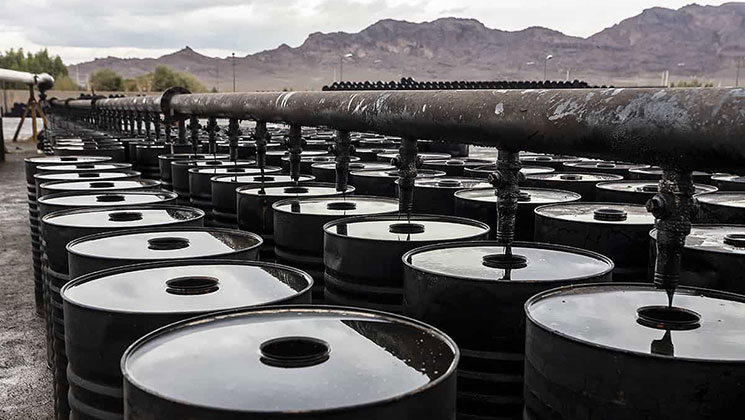
Bitumen

Bitumen

The term bitumen refers to a viscous, non-crystalline, black or dark brown substance that can be dissolved in organic solutions, such as toluene and carbon disulfide, and has adhesive and waterproof properties.

This substance is generally composed of hydrocarbons, which usually contain 80% carbon and 15% hydrogen. Other residues in this viscous material include oxygen, sulfur, nitrogen, and various metals. Bitumen can be obtained from various sources and occurs naturally. The amount of this material in crude oil may vary, but the more normal range is between 25% and 40%, while the usual range is 15% to 80%.

Bitumen


Broad classification for crude oils

  • Bitumen base
  • Paraffin base
  • Bitumen and paraffin base

Depending on the type of crude oil, bitumen exists either as a colloidal dispersion or in a solid state. During the refinement process, the oil-to-particle ratio changes as petroleum oils are removed by distillation. Instead of these particles being scattered and relatively few in number, they are getting closer to each other and increasing in size.

Typically, oil tar is a colloidal dispersion of black solids (hydrocarbons) at the end of the distillation process. There is also a yellow-brown petroleum liquid known as the melted fraction in which asphaltenes are dispersed. Also, to be present in asphaltenes as a stabilizing agent, another group of hydrocarbons are known as resins.

This substance is found in nature in many forms, from the hard, easily crushed bitumen found in rock asphalt to the softer, more viscous material found in oil sands and so-called asphalt lakes. This material is usually mixed with various proportions of mineral or vegetable impurities that must be extracted before use, and is effectively used as an engineering material.
It may also be found as asphaltite, natural bitumen without various impurities in solution in carbon disulfide. Natural bitumen, like petroleum, occurs as a result of the specific breakdown of marine debris. This occurs over thousands of years through porous rocks such as limestone or sandstone, often transported by volcanic action.

Separation of bitumen and tar coal is important. Although coal tar is black and sticky like this material, it is derived from the carbon of coal and therefore has very different chemical properties.

Engineering projects everywhere in the world, from the construction of transcontinental highways to the waterproofing of flat roof surfaces, rely on the special properties of bitumen. Crude oil processed by the oil industry provides a small percentage of this vital substance.

The special properties of bitumen are used in a variety of engineering projects around the world, from the construction of transcontinental highways to the waterproofing of flat roof surfaces. It is important to note that crude oil is only a small percentage of this essential substance produced by the oil industry


Characteristics of bitumen

  • It is a strong and durable glue-like material that holds together a wide variety of other materials without matching their properties. Durability is essential for large engineering projects such as roads and waterways that must last 20 years or more.
  • Due to its insoluble nature, it is an effective waterproofing insulator. The material is also resistant to the majority of acids, alkalis, and salts. It does not contaminate water, which makes it an excellent choice for use in water flow lines.
  • This material gives controllable flexibility to the mineral aggregate mix, which is why most of the total aual production is used in road construction. It is available almost worldwide at economical cost.


Click on the link below to read more:

Bitumen


+ نوشته شده در  سه شنبه 8 فروردين 1402ساعت 1:49  توسط  ایران مارکت  بازدید <-PostHit-> برچسب ها:

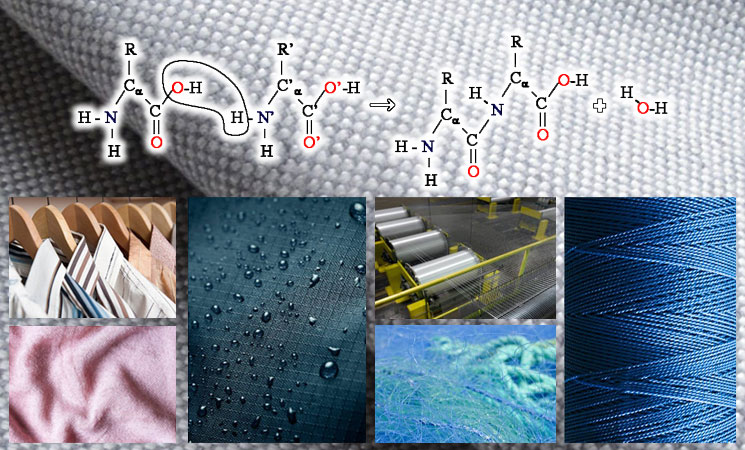
Polyamide

Polyamide

Polyamide, commonly known as nylon, is a thermoplastic polymer introduced to the industry in the mid-1930s by DuPont engineers.

Since then, polyamide has been a suitable material in most industries, such as automobile manufacturing, the food industry, sports equipment, the carpet industry, and most importantly, the textile and clothing industry.

Polyamides are usually converted into fibers to be used. If you are willing to get familiar with the types of simple polyamide available in the industry, their characteristics, and their use, this article will help you.

Polyamide


What is polyamide?

Simple polyamide is a polymer that includes amide groups (R-CO-NH-R) as an essential part of the polymer chain. These amide groups keep repeating. A simple polyamide with a high molecular weight is usually called nylon.

Simple polyamide is a crystalline polymer formed from the combination of a diacid and a diamine. In the mixture of these two monomers, the linking of molecules takes place through the formation of amide groups. The most crucial simple polyamide is nylon, which is considered a very flexible material. Today, simple polyamide is produced in the form of thin and long threads.

At first, simple polyamide was used to make parachutes and ropes in World War II, but later in the 40s, it gained its place in the clothing and fabric market. Due to its elasticity, this material achieved great success in the hosiery industry and quickly replaced silk stockings, which were expensive and less flexible.

Today, simple polyamide is used for many sticky clothes, such as women’s socks, pantyhose, swimwear, underwear, and high-quality and comfortable sports clothes.


Types of polyamides

Types of simple polyamide are usually named with a unique number placed in front of the polyamide name, and each one has its unique characteristics. In this section, we will introduce the types of simple polyamide.


1- Polyamide 6.6

This polyamide melts at a very high temperature and is resistant to abrasion. Hence, this polyamide works very well for making various car parts. But polyamide 6.6 also has its disadvantages. For example, it absorbs a lot of water, and its chemical resistance is weak. Since this simple polyamide is strong and has high heat resistance, it can also act as a thermoplastic.


2- Polyamide 6

This type of simple polyamide is somewhat crystalline and is very resistant to erosion. This simple polyamide is also resistant to chemicals such as acids and alkyl. However, the tensile strength of polyamide 6 decreases due to a water absorption of 2.4%.


3- Polyamide 6.10

Another type of simple polyamide is polyamide 6.10, which is resistant to chemicals and acids. This simple polyamide is more robust than almost any other nylon, so much so that it doesn’t break even under a salt like zinc chloride. This class of simple polyamide, which absorbs relatively less water, also shows good resistance in wet environments.


Click on the link below to read more:

Polyamide


+ نوشته شده در  سه شنبه 8 فروردين 1402ساعت 1:49  توسط  ایران مارکت  بازدید <-PostHit-> برچسب ها:

Lubecut

Lubecut

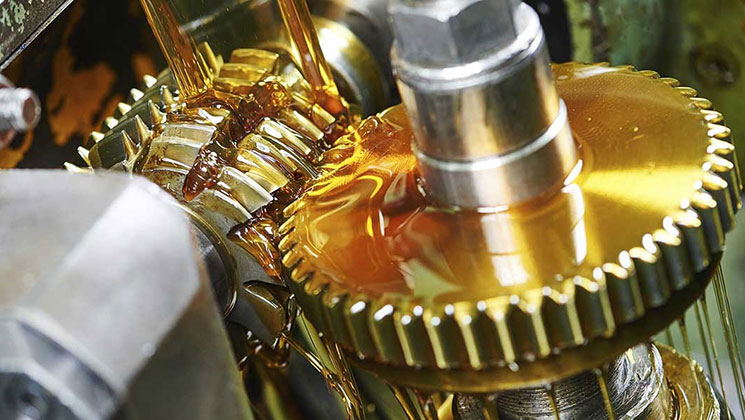
Lubecut is one of the derivatives of crude oil and is one of the cuts of the distillation tower of oil refineries. Lubecut has two types, heavy and light, each used in the oil industry.

According to experts, only a good lubricant (oil, grease, etc.) can guarantee the optimal operation of machine equipment. About 55% of premature equipment failures are due to inappropriate lubricants in the industry. Lubricants are substances used to reduce friction and prevent the wear of moving metal parts in contact with each other.

This article will discuss lube cuts, the main component, and raw materials for motor oil production.

Lubecut


What is a lube cut?

lubecut is the main component and raw material for producing motor oil, which makes up about 85-95% of it. Usually, by refining crude oil, only a few percent of hydrocarbon materials with atomic numbers between 20 and 50 are obtained, which are suitable for use as lubricants. It is one of the oil cuts (products) called oil cut or lube cut. This cut is actually the oil refinery feed.

Lubecut is converted into oil from crude oil refineries then in the oil refineries, the refining operation is performed on the lubecut. Finally, a substance called base oil, the main ingredient of motor, industrial, and grease oils, is prepared from it.

As mentioned, the base oil is produced from lubecut. Basically, lubricants consist of two components: base oil and additives. After adding additives to the base oil, the final lubricant is obtained.


The process of obtaining lubecut

Production of base oil from lubecut by performing the refining process, in addition to separating non-hydrocarbon compounds, hydrocarbon compounds are also divided according to their boiling point, which is derived from the number of carbon atoms in their molecules. Usually, by refining crude oil, only a few percent of hydrocarbon materials with atomic numbers between 20 and 50 are formed, which are suitable for use as lubricants. It should be noted that the type and degree of viscosity of the base oil obtained depend on the lubecut input to the oil refinery. Therefore, to produce different base oils, it is necessary to use different lubecut.


Click on the link below to read more:

Lubecut


+ نوشته شده در  سه شنبه 8 فروردين 1402ساعت 1:48  توسط  ایران مارکت  بازدید <-PostHit-> برچسب ها:

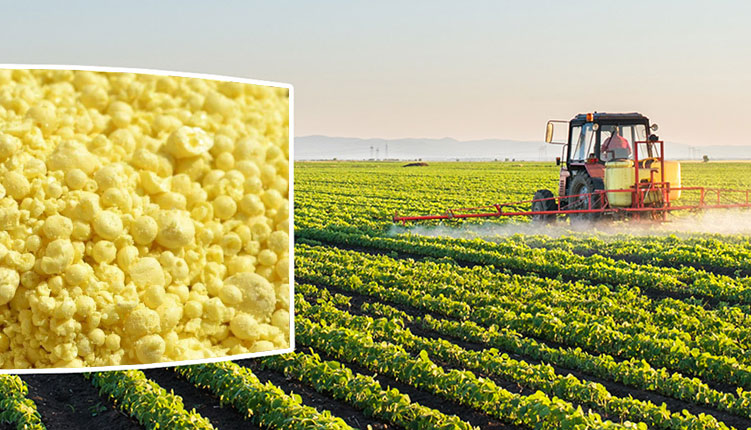
Granular sulfur

Granular sulfur

Granular sulfur fertilizer is one of the best-selling types of agricultural fertilizers, which has the right percentage of sulfur and is very effective for plants; like other phosphate fertilizers, the way to use this fertilizer is before planting.

The use of fertilizers in the agricultural industry has been of great interest today. In addition to suitable soil, light, and water conditions, the trees also need the use of fertilizers for proper and excellent fruiting. One of the most suitable fertilizers for strengthening the soil of trees and plants is granular sulfur fertilizer, which has the highest sulfur content of 58%.

One of the most important and widely used elements in plants is the use of sulfur, which is of great importance for plant growth. Sulfur can be prepared as fertilizer in all kinds of agricultural fertilizers, which is used according to the needs of plants and trees.

In addition to controlling some fungal pathogens such as powdery mildew, the use of granular sulfur is beneficial for improving saline and alkaline soils, reducing the local pH of calcareous soils, providing sulfate needed by plants, and increasing the solubility of low-use and high-use elements.

Granular sulfur


Advantages of granular sulfur

The plant needs a significant amount of sulfate for sufficient growth. By using granular sulfur, in addition to the local reduction of the pH of lime-alkali soils, the sulfate required for plant growth is also provided.

One of the most important benefits of granulated sulfur is to increase the elements and micronutrients of the soil and control a number of pathogenic factors such as white fungus and disinfecting the soil, helping the health of the environment, etc. The use of granular sulfur activates beneficial microbes in the soil because the organic substances present in the granular sulfur fertilizer facilitate biological oxidation in the soil.

The use of granulated pollen improves the physical and chemical properties of the soil by 30-60.%. You can easily add granular sulfur fertilizer to the soil using fertilizer spreaders.


The consumption of granular sulfur fertilizer

Supplying plant and soil needs is one of the benefits of granular sulfur fertilizer, which, in addition to reducing the local pH of calcareous soils, provides the necessary growth materials for the soil. According to the type of fertilizer, it is better to use granular sulfur fertilizer before planting the crop

Autumn season is one of the most appropriate times to use granular sulfur fertilizer in agricultural soils. To conclude, it is better for farmers to test the soil before using this type of fertilizer to assess the plant’s needs. The appropriate amount of fertilizer for each hectare is about 400 to 600 kg, which is added to the soil using a fertilizer spreader. To combine with the soil, it is better to penetrate the fertilizer deep into the soil by plowing. The amount of fertilizer can vary according to the type of planting, this amount for greenhouse crops is about 250 grams per square meter, which should be well mixed with the soil.


Click on the link below to read more:

Granular sulfur


+ نوشته شده در  سه شنبه 8 فروردين 1402ساعت 1:48  توسط  ایران مارکت  بازدید <-PostHit-> برچسب ها:

Benzalkonium Chloride

Benzalkonium Chloride

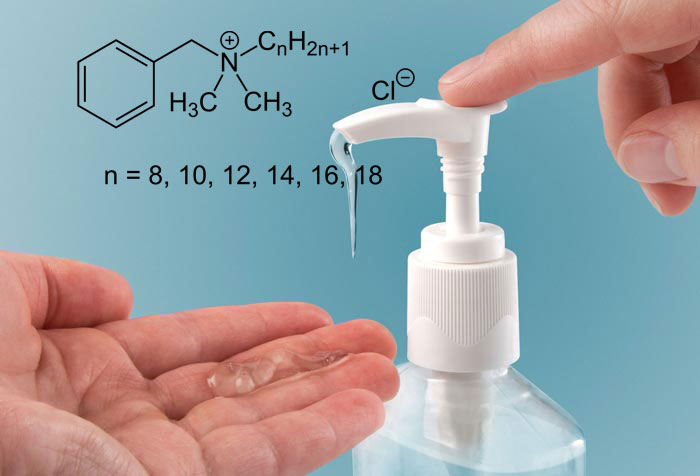
Benzalkonium chloride is a type of cationic surfactant that is considered a non-oxidative biocide. This biocide is based on quateary ammonium compounds, which are effective even in low concentrations.

This biocide is soluble in water and is effective in preventing the activity of some vital bacterial enzymes (enzymes involved in glycolysis respiration), as well as releasing the contents of the bacteria into the environment. By increasing the contact time and concentration of the biocide, compounds containing nitrogen and phosphorus in the bacterial cell enter the surrounding environment, and thus the bacteria are destroyed. This material has the property of dispersing, spreading, and destroying sludge and algae.

Using this biocide may cause foaming. In order to make this biocide more effective, it is recommended to use it together with non-oxidizing isothiazolinone biocide.

This biocide can be used in all open or closed-circuit cooling and cooling systems, firefighting systems, ponds and pools, water transmission lines, etc.

Equipment and containers should be made of stainless steel, 316 steel, 304 steel, polypropylene, polyethylene, PVC, or Teflon.

Benzalkonium Chloride


Advantages of benzalkonium chloride

  • It has a wide range of applications.
  • The product is liquid and easy to use. (injection)
  • It has a good spreading property, which means it is an effective dispersant.
  • Its effectiveness in a different range of pH.

Benzalkonium chloride (BAC, BAK, BKC, BZK), known as alkylidene methyl benzyl ammonium chloride (ADBAC), is a type of cationic surfactant. It is an organic salt classified as a quateary ammonium compound. ADBACs are used in three main categories: as a biocide, cationic surfactant, and phase transfer agent. methylammonium.


Solubility and physical properties of benzalkonium chloride

Depending on the purity, benzalkonium chloride ranges from colorless to pale yellow (impure). Benzalkonium chloride is easily soluble in ethanol and acetone, but its solubility is slower in water. Its aqueous solutions should be neutral to slightly alkaline. Concentrated solutions have a bitter taste and a faint smell like almonds. Standard concentrates are produced as 50% and 80% by-weight solutions. A 50% solution is completely blue.


Other names of dimethyl benzalkonium chloride

Benzalkonium chlorides (BACs), also known as alkyl dimethyl benzyl ammonium chlorides, quateary alkyl dimethyl (phenylmethyl) ammonium chlorides, quartz disinfectants, BACs, benzalkonium chlorides, and QACs.


Properties of dimethyl benzalkonium chloride

Benzalkonium chlorides (BAC) due to their broad-spectrum antimicrobial properties against bacteria, fungi, and viruses. Benzalkonium chloride is a broad-spectrum quateary ammonium antibacterial agent. This material is cationically charged and creates an antibacterial effect by absorbing the negatively charged bacterial membrane.

Gram-positive bacteria are generally more sensitive than gram-negative bacteria. Its activity depends on the concentration of surfactant and also on the concentration of bacteria at the moment of injection. Activity is largely unaffected by pH but increases significantly at higher temperatures and longer exposure times.


Click on the link below to read more:

Benzalkonium Chloride


+ نوشته شده در  سه شنبه 8 فروردين 1402ساعت 1:47  توسط  ایران مارکت  بازدید <-PostHit-> برچسب ها:

Polymers in Medicine

Polymers in Medicine

The advantages of using polymer materials over other chemicals in the medical industry have made them one of the most used in this industry. In general, the use of polymers in medicine, in the manufacture of medical equipment, and also in medical implants are widely used today.

In this article, due to the wide range of applications of polymer materials in medical equipment and medical implants, we will continue to examine these materials in medical implants.

The consumables used in the body can be classified into metal materials, ceramic materials, polymer materials, and composite materials; among the materials used for biological purposes, polymer materials have a special place. Biomaterials are compounds of natural or synthetic origin that have various applications in the medical industry.

Biomaterials to replace tissue, restore tissue function with different methods, improve tissue function, correct and eliminate disorders, etc., are used in various ways, such as in suture thread, bone plates, replacement joints, heart valves, intraocular lenses, etc.

In the following, we first take a look at the characteristics of polymer biomaterials. In addition, since biomaterials are primarily used in orthopedic implants, in the rest of this article, we will examine their use in cases such as joint replacement, bone replacement, bone filler, joint coection, fracture repair, etc.

Polymers in Medicine


Properties of polymeric biomaterials

In terms of function in the body, polymeric biomaterials are divided into two categories. Polymers in medicine are bio-compatible, and they are also sustainable. The other category is biocompatible and biodegradable, which means they slowly break down in the body and disappear.

Biomaterials, whether biodegradable or non-biodegradable (stable), should have a series of physical-mechanical characteristics when they come into contact with body tissue or the living environment in general, depending on whether They use it.

The most important things polymers in medicine must have are tensile strength, bending strength, compressibility, impact ability, fatigue, creep, tearing, corrosion, abrasion, and cracking due to impact, as well as factors such as not being toxic or pathogenic. Immune reactions and blood clotting should not occur if the object is unstable in the body, the components resulting from its destruction should not be toxic or harmful, etc.


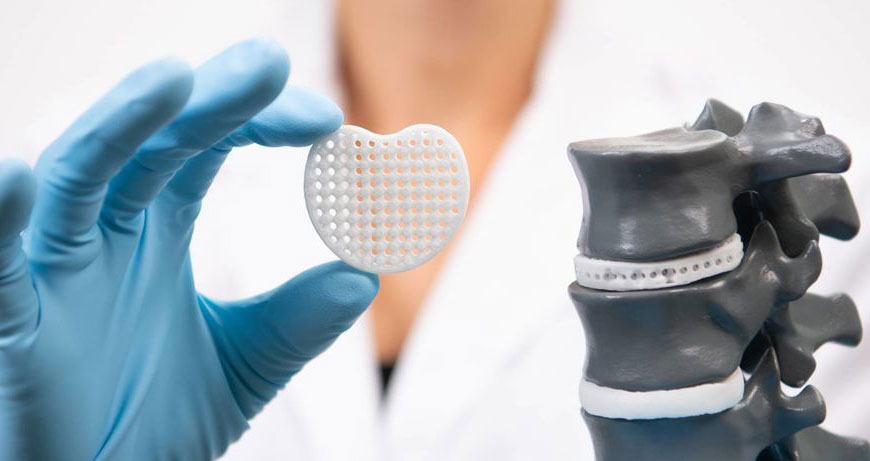
The most critical applications of Polymers in medicine in medical implants

  • Bone filler using polymethyl methacrylate (PMMA)
  • Replacing joints using polyethylene (PE)
  • Vertebral bone ossification using polyether ether ketone (PEEK)
  • Artificial heart valves using polyurethane (PU)


Click on the link below to read more:

Polymers in Medicine


+ نوشته شده در  سه شنبه 8 فروردين 1402ساعت 1:47  توسط  ایران مارکت  بازدید <-PostHit-> برچسب ها:

Purchase of BL3 polyethylene granules

Purchase of BL3 polyethylene granules

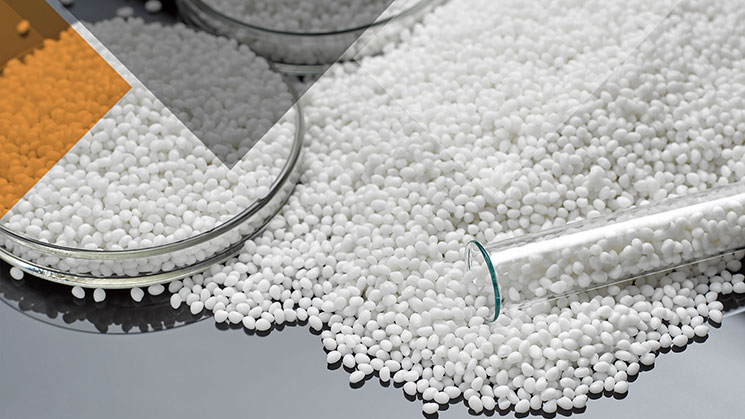
Today, various products are made of plastic, especially BL3 polyethylene granules. It can be said that products such as plastic containers, bottles, bags, and all kinds of plastic toys are considered products you can see around you. Meanwhile, the common feature of all these products is that plastic is one of the most important materials used for their production. The mentioned plastic products are usually made of granules; in this regard, in order to examine the granules, it should be noted that granules are one of the most popular thermoplastic materials that have many applications in industries today.

Currently, there are different types of granules, and each of these models has specific grades. Each of these grades has unique uses and features, and this has increased their usage rate. In this article, we intend to introduce you to BL3 granules and state what points you should pay attention to if you intend to buy BL3 granules.

Purchase of BL3 polyethylene granules


What is a granule, and how is it made?

Granule is a light and resistant thermoplastic with a variable crystal structure used in various industries. This polymer is considered one of the most widely used plastics in the world. According to statistics, we produce tens of millions of tons of granules worldwide aually.

According to customers’ needs, granules are used in different industries to make additional products such as films, pipes, all kinds of plastic parts, packaging materials, car parts, electric cables, etc.


Examination of types of granules

In line with the examination of the types of granules, it should be said that these products are classified into different groups based on their density and branching. Among the most common kinds of granules available in the market, the following can be mentioned:

  • Low-density branch model granule
  • Linear granules with low density
  • High-density branch model granule
  • Very high molecular weight granule
  • Cross granules


In addition to the mentioned items, which are among the most common types of granules, granules are produced in other models, which include the following models:

  • Medium-density granules
  • Very low-density granule
  • High molecular weight granules
  • Very low molecular weight granules
  • Chlorine granules


BL3 polyethylene granules review

bl3 is one of the types of air granules that are in the category of high-density products.
In order to get familiar with BL3 polyethylene granule, you should know that this product is a cheap thermoplastic that has a linear structure with little branching.

One of the essential features of this product is that its production process is carried out at a specific temperature and pressure. The temperature required to produce this category of products is between 70 and 300 degrees Celsius, and the pressure required to produce this product is between 10 and 80 bar.

To get familiar with BL3 granules, you should know that two techniques are mainly used to produce this product:

  • Slurry polymerization
  • Gas phase polymerization


Click on the link below to read more:

Purchase of BL3 polyethylene granules


+ نوشته شده در  سه شنبه 8 فروردين 1402ساعت 1:47  توسط  ایران مارکت  بازدید <-PostHit-> برچسب ها:

The use of polymer materials in the textile industry

The use of polymer materials in the textile industry

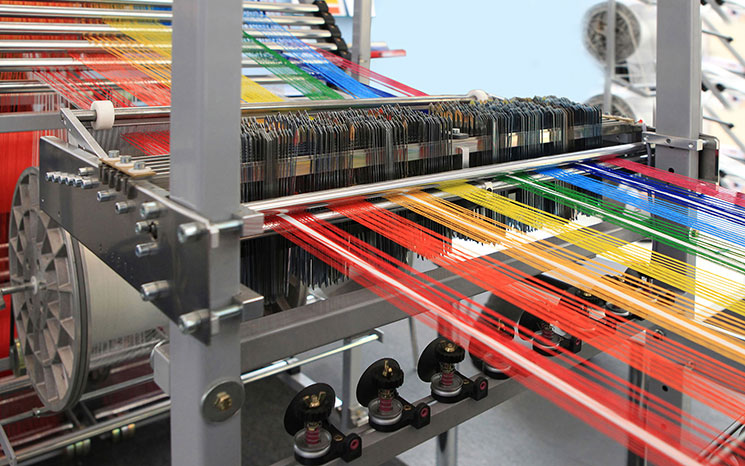
In the past decades, polymer materials have had many applications in the textile industry. The use of polymers has enabled the production of fibers with various characteristics, such as high thermal resistance, high strength, etc., in this industry.

Polypropylene fibers and granules, polyester fibers, nylon, and acrylic fibers can be mentioned among the synthetic polymers widely used in textile industries.

In the following, we mention the textile industry‘s most widely used grades of polymer materials.

The use of polymer materials in the textile industry


A. Polypropylene in textile

Polypropylene fibers, which are prepared through the polymerization of propylene in the form of a linear polymer, are called PP for short and have many applications in the textile industry. The following are the most commonly used grades of polypropylene in the textile industry.


1. Polypropylene homopolymer HP 552R

HP552R polypropylene is a homopolymer polypropylene with high flow ability, which is used to produce staple, CF, and BCF fibers. HP552R material is used for medium and high-speed spiing melt.

Although polypropylene homopolymer has higher tensile strength and hardness than polypropylene copolymer, its main weakness is its impact resistance. In fact, polypropylene homopolymer is more fragile than polypropylene copolymer.

  • Characteristics of polypropylene 552R: Homogeneity, stable extrusion
  • Application of 552R materials: Woven fabrics, diapers, medical hygiene applications, and wet wipes are suitable.


2. Polypropylene homopolymer HP 510L

HP 510L polypropylene or 510L material is an extrusion grade homopolymer polypropylene with medium flow ability, which is used to produce belts, monofilaments, films, and sheets. Even though polypropylene homopolymer has higher tensile strength and hardness than polypropylene copolymer, its main weakness is its impact resistance.

Due to its high crystallinity and low impact resistance, polypropylene homopolymer is a very suitable option for textile applications or thin sheets and films. In this application, tensile strength is needed, and weak impact resistance is not an issue.

  • Features of polypropylene 510L: Good mechanical properties and flow
  • Application of 510L materials: rope, sacks, belts, etc.


3. Polypropylene homopolymer C30S

Polypropylene C30S or C30S material is an extrusion grade homopolymer polypropylene with medium flow ability, which is used to produce belts, monofilaments, films, and sheets. Due to its high crystallinity and low impact resistance, polypropylene homopolymer is a very suitable option for textile applications or thin sheets and films.

In this application, tensile strength is needed more, and weak impact resistance is not essential. Films stretched in two directions, and polypropylene fibers and types of sacks and belts are among the applications of polypropylene homopolymer.

  • Characteristic of C30S polypropylene: Grade in contact with food, good flow ability, and good processability
  • Application of C30S materials: Film thread, sheet


Click on the link below to read more:

The use of polymer materials in the textile industry


+ نوشته شده در  سه شنبه 8 فروردين 1402ساعت 1:45  توسط  ایران مارکت  بازدید <-PostHit-> برچسب ها: